
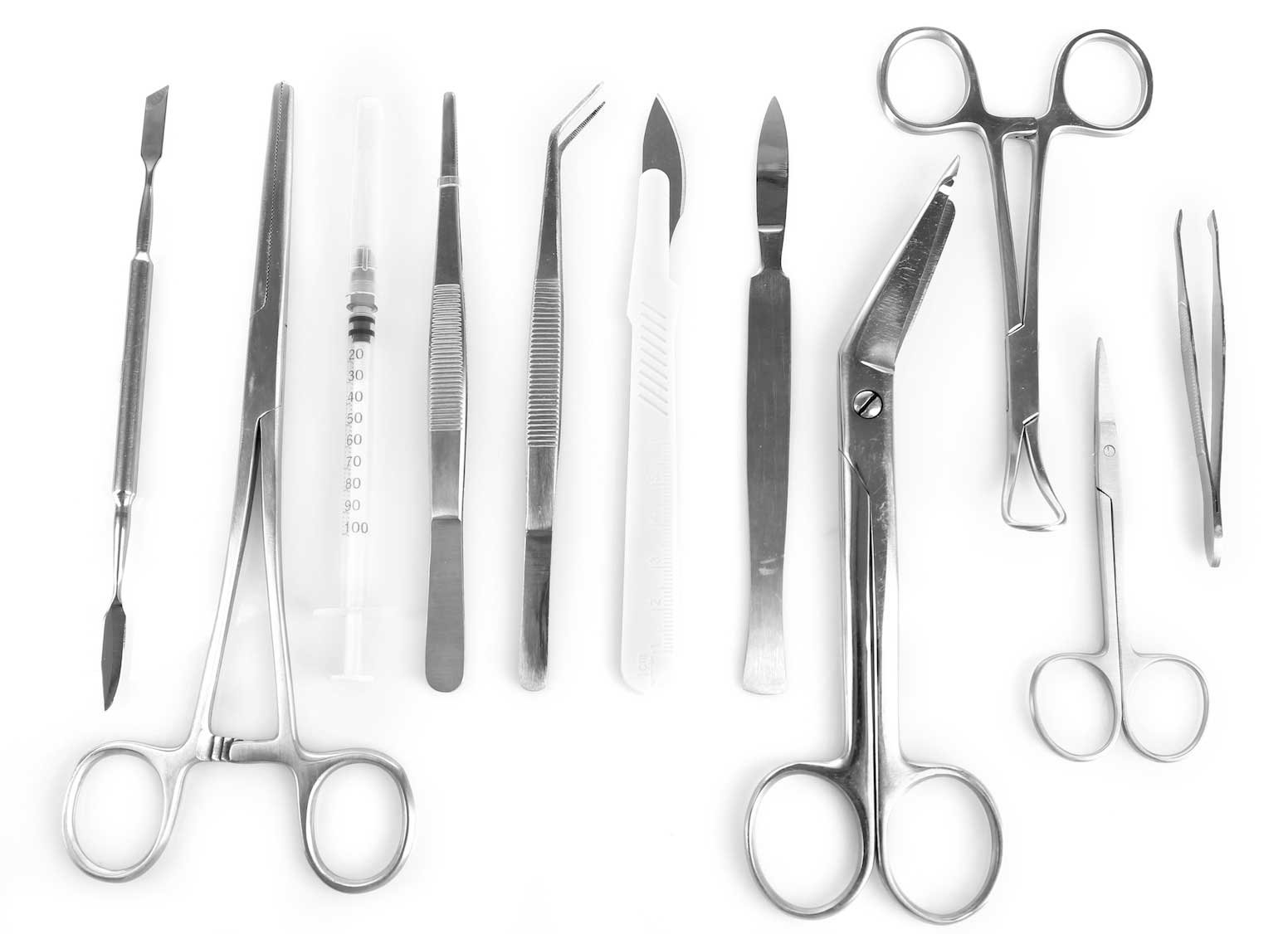
Surgical Instrument Manufacturing Using Injection Molding for Modern Healthcare
Surgical Instrument Manufacturing Using Injection Molding. What It Is and Why It Matters
Surgical instrument manufacturing using injection molding produces precise plastic components for reusable and disposable surgical tools. Manufacturers form medical-grade resins in controlled molds to deliver consistent dimensions, smooth surfaces, and repeatable results at scale.
That consistency matters when instruments must perform the same way in every sterile environment.
Injection molding streamlines production by replacing multi-part assemblies with single molded components. Fewer parts reduce variation. Smooth finishes support cleaning. Controlled tooling keeps output predictable across long runs. Manufacturers commonly use the process for handles, housings, grips, and single-use tool elements, all while maintaining documentation that supports regulatory review of the finished instrument.
For surgical tools that demand accuracy, repeatability, and clean production, trust JDI Plastics.

Why Injection Molding Plays a Key Role in Surgical Instrument Manufacturing
Injection molding plays a key role in surgical instrument manufacturing because it balances precision, scalability, and cost control. Production teams depend on it when performance cannot drift across thousands of units.
Precisise repeatability allows molded parts to match the same geometry run after run. Tooling controls dimensions, textures, and interfaces that surgeons rely on during procedures. Complex geometries also become easier to produce, which reduces part count and assembly steps.
Cost efficiency improves once tooling is complete. High-volume production spreads tooling investment across large runs, lowering per-part cost over time. Medical-grade plastics also support sterilization processes used for surgical tools.
For certain components, injection molding offers clear advantages over CNC machining:
- Molded grips allow textured surfaces without secondary operations
- Plastic housings reduce weight compared to machined metal parts
- Integrated features replace fasteners or bonded joints
Manufacturers often combine both processes strategically rather than choosing one exclusively.

Surgical Instrument Components Commonly Produced Through Injection Molding
Injection molding supports a wide range of surgical instrument components where consistency and ergonomics matter. Designers favor molded plastics when tools require repeatable feel and reduced weight.
Instrument handles and ergonomic grips benefit from controlled textures and contours. Molded grips improve comfort and control during long procedures. Trigger housings and actuation components rely on tight tolerances so moving parts align correctly.
Single-use surgical tools and disposable subassemblies depend on predictable cycles and clean molding. Injection molding supports high output without sacrificing dimensional accuracy. Covers, caps, and protective elements protect internal mechanisms while keeping overall tool weight low.
Molded plastics perform well in these roles because they combine strength with design flexibility. Engineers fine-tune wall thickness, texture, and geometry to balance durability with usability.
Consistency across batches helps surgical teams trust the tools in hand.
Medical Grade Plastics Used in Injection Molded Surgical Instruments
Medical grade plastics shape how injection molded surgical instruments perform in real use. Material choice influences strength, sterilization tolerance, and handling characteristics.
Polycarbonate and polypropylene support strength and chemical resistance. Many manufacturers use them for housings and components exposed to cleaning agents. Nylon blends work well for load-bearing parts that face repeated mechanical stress.
High-performance plastics such as PEEK handle elevated temperatures and mechanical demands. Surgical tools exposed to aggressive sterilization cycles often rely on these materials. Medical elastomers add flexibility and grip comfort where soft-touch surfaces improve control.
Material selection connects directly to how instruments function in practice. Designers evaluate sterilization exposure, mechanical load, and user interaction before locking in a resin. Smart choices at this stage reduce redesigns later and support stable production.
Sterilization and Performance Requirements for Molded Surgical Instruments
Injection molded surgical instruments must withstand sterilization processes without warping, cracking, or degrading. Sterile processing places repeated stress on materials, so performance starts with smart resin selection and controlled molding parameters.
Autoclave exposure introduces high heat and pressure. Materials with strong thermal stability handle repeated cycles without losing shape or strength. Chemical sterilization adds another layer. Cleaning agents can attack weaker polymers, so chemical resistance matters for instruments that see frequent reprocessing.
Radiation resistance becomes especially important for disposable surgical instruments. Gamma and e-beam sterilization can change material properties if designers select the wrong resin.
Material choice and molding parameters work together. Wall thickness, cooling rates, and gate placement affect internal stress. Lower stress means parts hold up longer through repeated sterilization cycles. Smart planning early avoids premature failures later.
Design and Engineering Considerations for Injection Molded Surgical Tools
Design and engineering decisions shape how injection molded surgical tools perform on the production floor and in the operating room. Manufacturing teams benefit when designers account for molding realities from the start.
Wall thickness control supports strength and efficient cooling. Uniform walls reduce sink marks and internal stress. Draft angles allow clean part release from molds, which protects surface quality and speeds production.
Mold flow planning helps material fill cavities evenly. Balanced flow prevents weak points, weld lines, and cosmetic defects that can affect performance or appearance. Surface finish choices also matter. Textured grips improve handling, while smooth surfaces support hygiene and cleaning.
Medical device teams that design with manufacturing in mind move faster from prototype to production with fewer revisions.
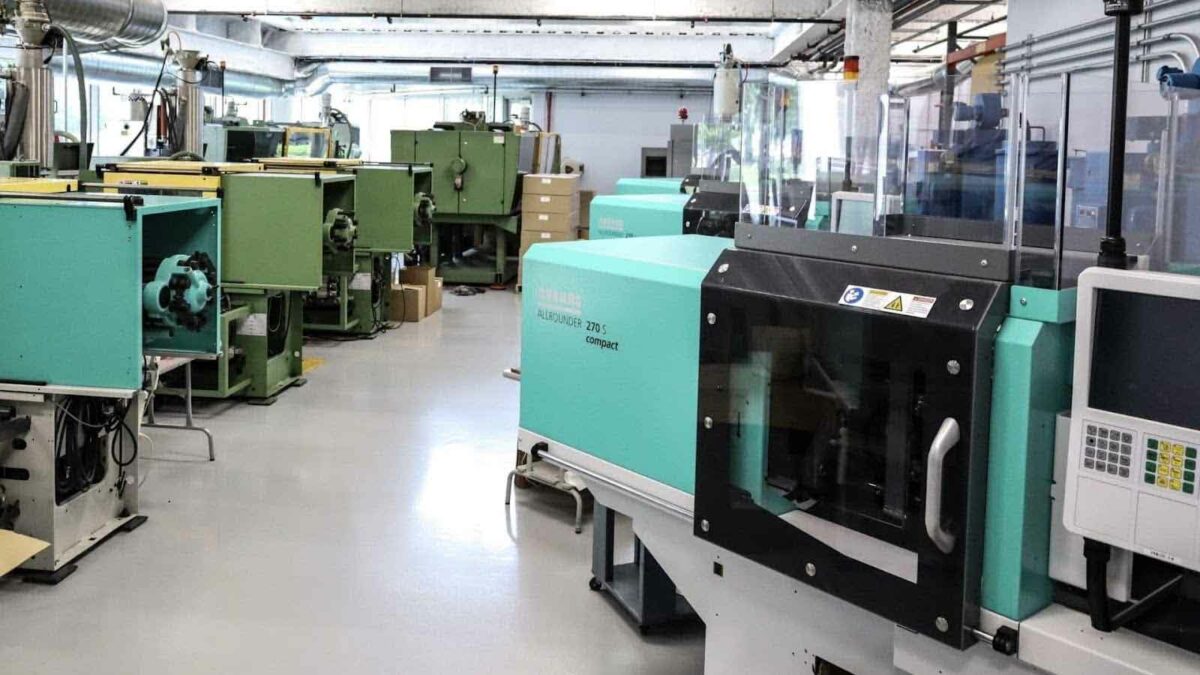
Why JDI Plastics Is a Trusted US-Based Partner for Surgical Instruments Manufacturing
JDI Plastics brings deep experience in precision injection molding for medical applications. Our team supports surgical instrument manufacturers with practical guidance, disciplined processes, and consistent execution.
We manage complex tooling, secondary operations, and production scheduling under one roof. That approach simplifies coordination and keeps projects moving. Documentation, process control, and repeatability guide every run.
Manufacturers partner with us because we focus on reliable outcomes and clear communication. Learn more about our injection molding capabilities at JDI Plastics.
FAQs About Surgical Instruments Manufacturing Using Injection Molding
What surgical instruments are made using injection molding?
Surgical instruments made using injection molding include handles, ergonomic grips, housings, triggers, covers, and disposable tool components. Injection molding suits these parts because it delivers consistent geometry, smooth surfaces, and scalable production.
How does injection molding compare to machining for surgical instruments?
Injection molding supports higher volumes and lower per-part cost after tooling, while machining fits lower volumes or metal components. Molded parts also offer consistent texture and integrated features that machining may require multiple operations to achieve.
Are injection molded surgical instruments reusable?
Injection molded surgical instruments can be reusable or disposable depending on material choice and sterilization requirements. High-performance plastics support repeated sterilization, while lower-cost resins fit single-use tools.
What materials work best for injection molded surgical tools?
Injection molded surgical tools commonly use polycarbonate, polypropylene, nylon blends, PEEK, and medical elastomers. Material selection depends on strength needs, sterilization exposure, and how clinicians handle the instrument.