
Plastic Product Manufacturing: Processes, Capabilities, and Applications
Plastic Product Manufacturing in the US: What It Is and Why It Matters
Plastic product manufacturing is the process of designing, forming, and producing plastic components and finished products at scale using specialized manufacturing methods. Manufacturers choose plastics because they offer durability, design flexibility, and predictable cost control across high and low production volumes.
Production teams rely on plastic product manufacturing when parts demand repeatable quality, tight tolerances, and steady supply.
Controlled processes support consistent dimensions and surface finishes, which helps downstream assembly and reduces scrap. Process selection directly affects part performance, tooling investment, and lead times, so early planning matters.
JDI Plastics is a reliable partner for top-quality injection molding services for plastic product manufacturers.
Core Processes Used in Plastic Product Manufacturing
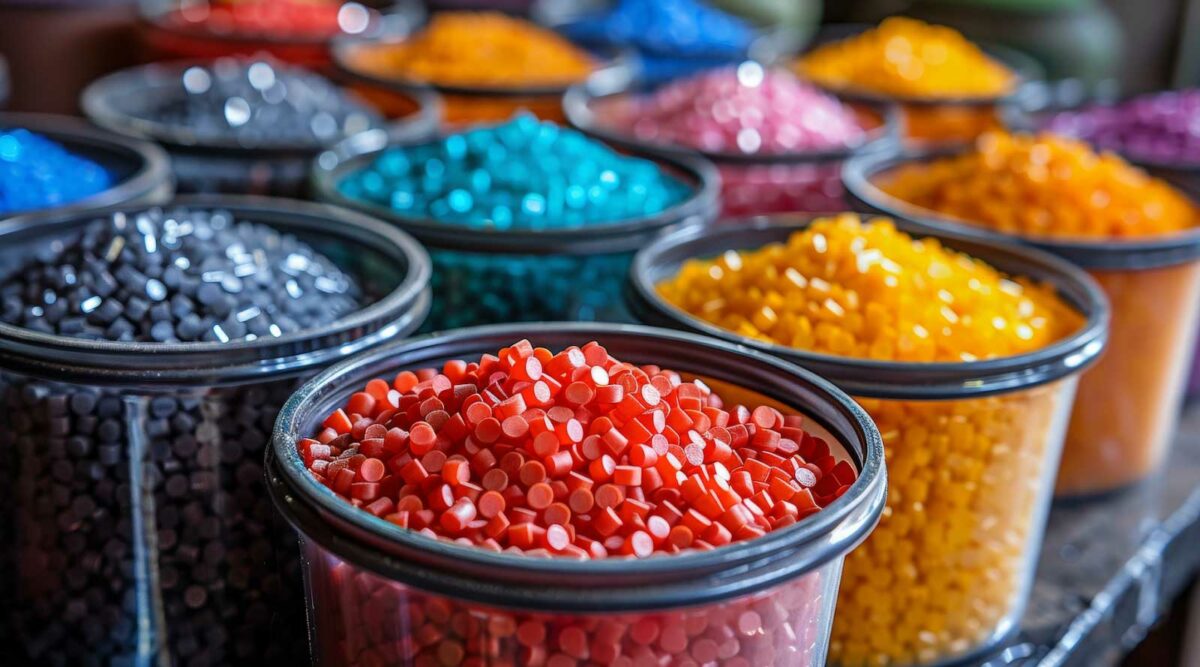
Plastic product manufacturing relies on several core processes, each suited to different volumes and design requirements. Injection molding supports high-volume production with tight tolerances and consistent output. Once tooling is in place, production scales efficiently.
CNC machining serves low-volume runs, prototypes, and complex geometries that require precise material removal. Teams often use machining for early-stage validation or parts that do not justify tooling costs.
Thermoforming and vacuum forming shape heated sheets over molds. Those methods work well for large, thin-walled parts and housings where tooling costs stay lower. Additive manufacturing supports rapid prototyping and short runs when speed outweighs unit cost.
Manufacturers typically choose a process based on:
- Annual production volume
- Part geometry and tolerance requirements
- Material performance needs
- Budget and lead time targets
Clear criteria help teams avoid costly process changes later.
Materials Commonly Used in Plastic Product Manufacturing
Material selection drives part performance and production efficiency. Commodity plastics such as ABS, polyethylene, and polypropylene serve many applications due to balanced strength and cost. Teams often use them for housings, containers, and general-purpose components.
Engineering plastics like nylon, polycarbonate, and acetal offer higher mechanical strength and dimensional stability. Those materials perform well in load-bearing parts and components exposed to repeated motion or impact.
High-performance plastics handle demanding environments. Heat, chemicals, and continuous stress require materials designed for long-term stability. Manufacturers weigh material cost against performance requirements to avoid overengineering.
Matching material properties to application demands improves durability, reduces failures, and supports consistent production.
Industries That Rely on Plastic Product Manufacturing
Plastic product manufacturing supports a wide range of industries that depend on scalable production and consistent quality. Medical and healthcare manufacturers rely on plastics for devices, housings, and disposables that require repeatable performance.
Industrial and equipment manufacturers use plastic components to reduce weight, resist corrosion, and simplify assembly. Consumer goods and packaging benefit from design flexibility and high-volume output that keeps unit costs predictable.
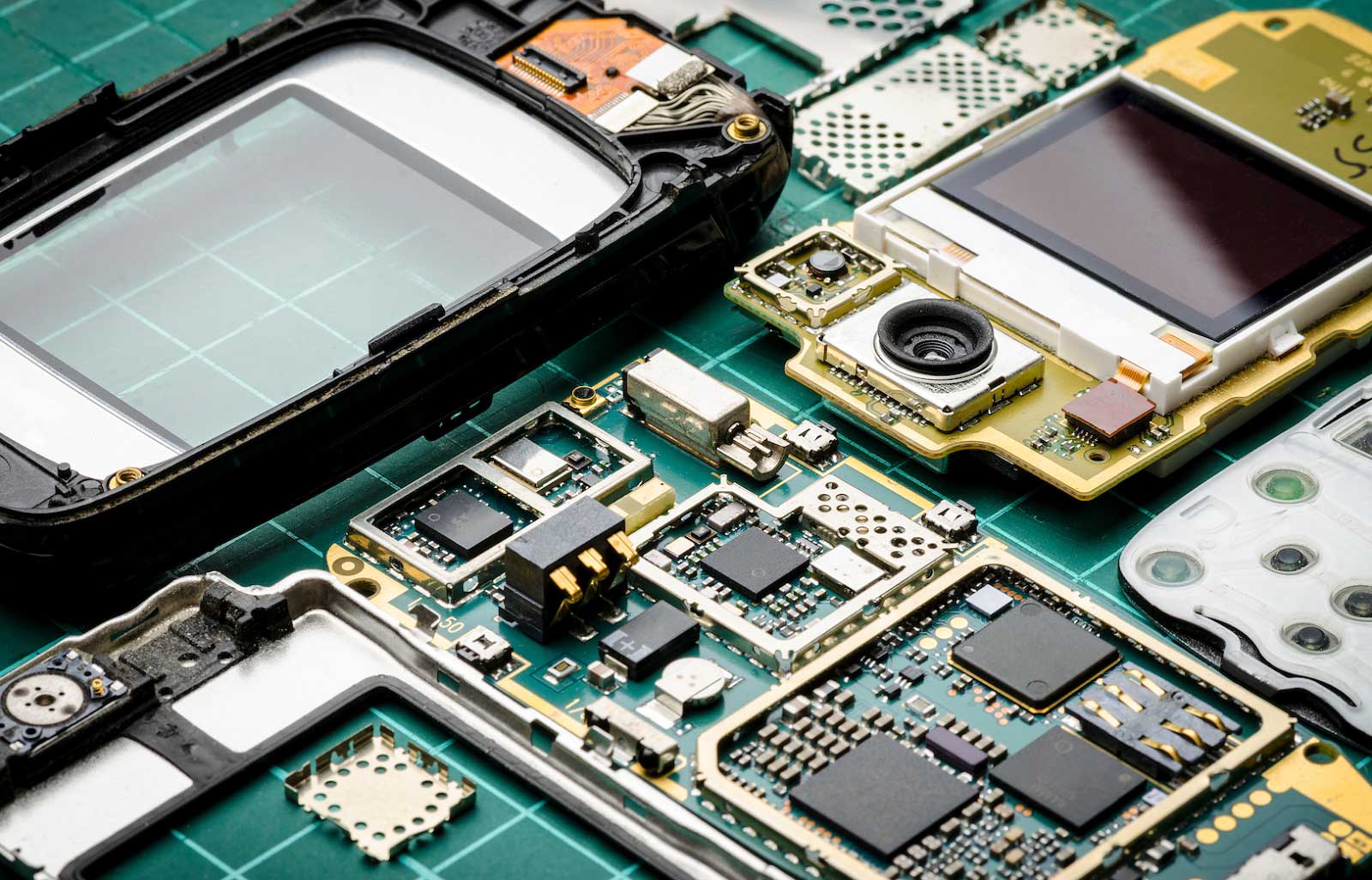
Electronics and technical components demand tight tolerances and stable materials to protect sensitive systems. Across industries, plastic product manufacturing supports reliable output while adapting to changing design and volume needs.
Design and Engineering Considerations in Plastic Product Manufacturing
Design and engineering decisions shape cost, lead time, and part performance long before production starts. Teams that plan for manufacturing realities move faster and avoid late-stage changes.
Wall thickness and part geometry influence strength and cooling behavior. Uniform walls reduce internal stress and improve cycle efficiency. Smart geometry also supports consistent filling and predictable shrinkage.
Tolerance planning affects dimensional stability across production runs. Tight tolerances increase tooling complexity and cost, so designers should apply precision only where function demands it. Tooling considerations matter early. Mold complexity, parting lines, and gate locations all affect build time and long-term maintenance.
Early design choices directly impact cost and delivery schedules. Clear requirements, realistic tolerances, and process-aware geometry help teams transition from design to production with fewer delays.
Quality Control and Production Consistency in Plastic Manufacturing
Quality control in plastic manufacturing depends on disciplined processes and repeatable production conditions. Manufacturers maintain consistency by controlling machine settings, material handling, and tooling condition throughout each run.
Inspection methods verify dimensional accuracy and surface quality at key stages. In-process checks catch variation early, while final inspections confirm parts meet specifications. Documentation tracks materials, process parameters, and inspection results to support traceability.
Managing variation requires attention to tooling wear, material lot changes, and environmental factors. Stable processes and regular monitoring keep output consistent across high-volume production without disrupting schedules.

Why JDI Plastics Supports Plastic Product Manufacturing in the USA
JDI Plastics brings hands-on experience in precision plastic product manufacturing. Our team supports customers from tooling strategy through full-scale production with a focus on practical solutions.
We manage tooling, production, and secondary operations under one roof. That structure simplifies coordination and keeps projects moving. Repeatable processes and clear documentation guide every run, which supports reliable delivery and consistent part quality.
Manufacturers partner with us because we focus on execution, communication, and results. Learn more about our plastic product manufacturing capabilities HERE.
FAQs About Plastic Product Manufacturing
What is plastic product manufacturing used for?
Plastic product manufacturing supports industries such as medical, industrial equipment, consumer goods, electronics, and packaging. Products range from housings and components to custom assemblies and finished goods.
Which plastic manufacturing process works best for high volumes?
Injection molding works best for high-volume production because it delivers consistent parts at scale once tooling is complete. The process supports tight tolerances and predictable cycle times.
How do manufacturers choose the right plastic material?
Manufacturers choose plastic materials based on performance requirements, operating environment, and cost targets. Strength, temperature exposure, chemical contact, and part function all influence material selection.
Can plastic product manufacturing support custom designs?
Plastic product manufacturing supports custom designs through tailored tooling, prototyping, and process selection. Manufacturers adjust molds, materials, and production methods to meet specific design and volume needs.