
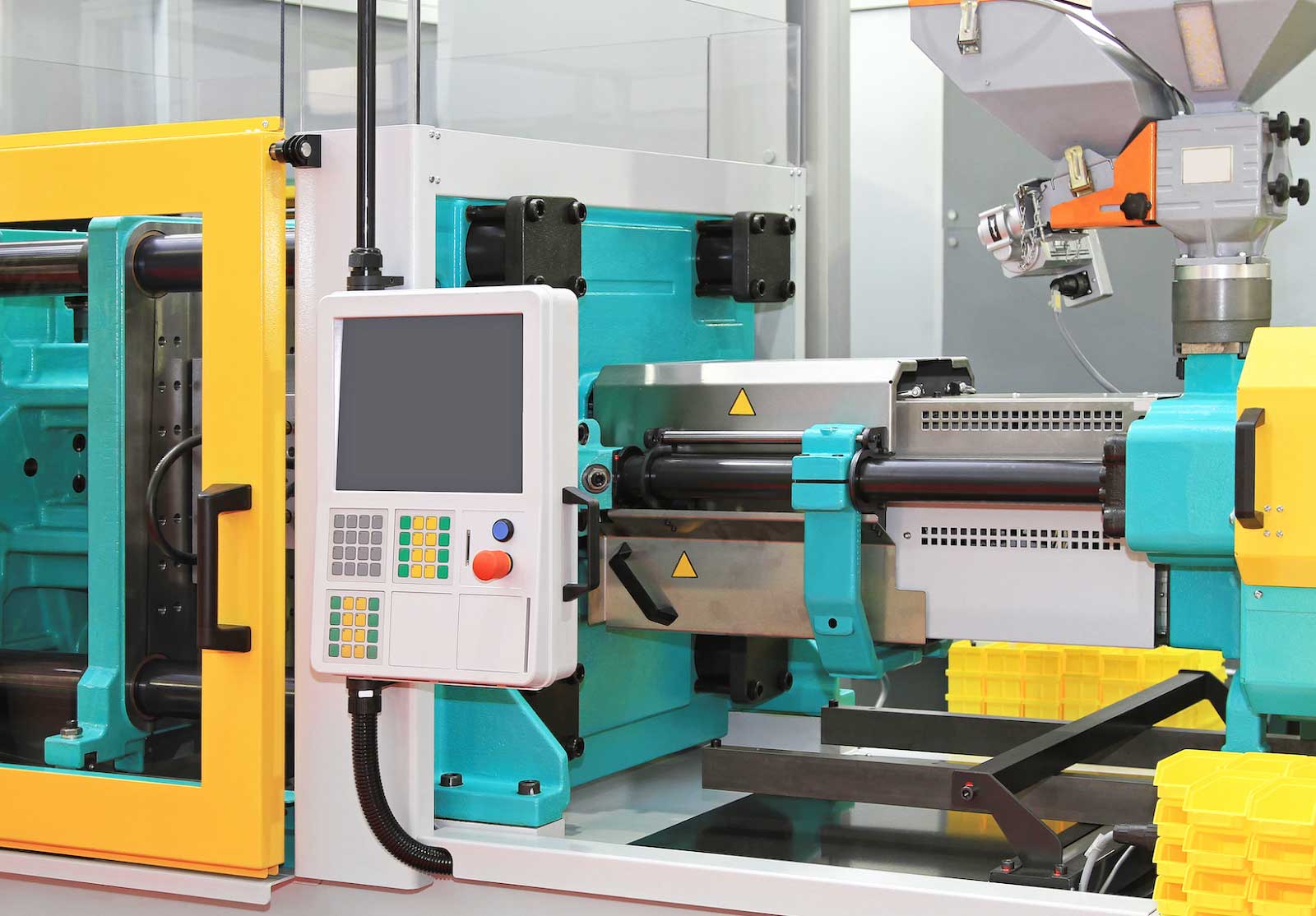
Low-Volume Injection Molding: When Smaller Runs Make Sense For Your Product
Is Low-Volume Injection Molding The Smart Move For Your Next Small Run?
Low-volume injection molding works best when production needs fall between a few hundred and roughly ten thousand parts per year.
Many teams choose this path because high-volume steel tooling comes with steep cost, heavy lead times, and a level of commitment that can backfire when demand is unpredictable.
Small runs help you move quickly. New product launches stay flexible. Product line updates hit shelves sooner. Tight budgets stay protected. Companies facing uncertain forecasts avoid sinking money into a long-term mold too early.
JDI Plastics supports this approach with tooling methods designed for early-stage production. Our team helps companies test markets, refine features, and gain performance data before committing to a large-scale program. You get real parts without taking a big financial swing.
Small, strategic molding runs protect your cash while you prove real market demand. Get a low volume injection molding quote from JDI Plastics
How Does Low-Volume Injection Molding Cut Tooling Risk And Upfront Cost?
Low-volume injection molding cuts tooling risk by relying on aluminum tooling and rapid tooling. Traditional steel molds take four to eight weeks and can reach costs far above one hundred thousand dollars. That hits hard when design changes are still probable.
Aluminum tooling offers a faster, lower-cost alternative. Rapid tooling drives timelines down even further. Both options act as a smart bridge before long-term production.
A low-volume strategy also helps control the total cost of ownership. You invest less in tooling. You limit inventory. You avoid costly scrap when adjustments become necessary.
Clear benefits show up fast:
• Lower financial exposure when designs evolve
• Faster learning cycles
• Less pressure to overproduce early
Low-volume injection molding lets you test the market without betting the factory on day one.
What Is Bridge Tooling And When Should You Use It?
Bridge tooling supports low-volume injection molding by giving teams a temporary, cost-friendly mold before committing to hardened steel. Many companies use bridge tooling when planning high-volume production within the next year or so. It provides real parts for demos, field tests, and early orders while you finalize the design.
A simple workflow keeps everything moving:
- Start with low-volume tooling for early orders.
- Gather customer and performance feedback.
- Lock in final geometry after confirming real needs.
- Transition to steel for long-term production.
When Do Smaller Injection Molding Runs Beat Mass Production?
Low-volume injection molding outperforms mass production when demand shifts often, when products target smaller audiences, or when designs evolve quickly. Many teams get burned by committing to a large steel mold too early, only to realize the market was smaller or the product needed another revision.
Typical low-volume ranges look like this: Prototypes and pilot runs often need a few hundred parts. Niche or pre-production builds can reach up to ten thousand parts each year. (1)
Common use cases include:
• Pilot runs ahead of retail introductions
• Limited edition or region-specific SKUs
• Service or replacement parts
Smaller runs make sense when flexibility, learning, and speed matter more than pennies per part.
How Does Low-Volume Injection Molding Support Continuous Product Development?
Low-volume molding supports ongoing development by giving teams freedom to update designs as needed. Permanent tooling locks you in. Low-volume tools give you room to release version 1 products, launch variants, and retire slow-moving parts without waste.
Low-volume strategies work across prototypes, pilot builds, and controlled rollouts, keeping your development cycle fast and responsive.
How Do 3D Printed Or Aluminum Molds Speed Up Low-Volume Injection Molding?
3D printed and aluminum molds speed up low-volume injection molding by cutting tooling cost and removing long waits tied to traditional steel.
Aluminum molds offer a machined, reliable option for short or mid-sized runs. They handle heat well and give you consistent parts. 3D printed molds move even faster and work well for early-stage production where speed matters most. Many 3D printed molds can produce hundreds or thousands of shots when part geometry and molding settings follow recommended guidelines.
Clear definitions help you choose wisely. Aluminum molds use machined metal built for strength, repeatability, and short-run durability. 3D printed molds use high-temperature polymers ideal for very fast, low-volume runs.
What Design Choices Matter Most For Low-Volume Injection Molding Success?
Low-volume injection molding succeeds when design choices support a smooth molding process.
Consistent wall thickness strengthens part quality. Proper draft angles allow clean release. Gate and ejector placement should support resin flow and controlled ejection. Surface finish choices must match function and budget.
JDI Plastics reviews CAD files to help refine geometry early. Smart design work reduces tool rework, lowers the chance of part failures, and shortens cycle time during production.
Talk with JDI Plastics about your low-volume injection molding plan
What Problems Does Low-Volume Injection Molding Solve For Product Teams?
Low-volume injection molding solves several stress points that slow development. Many teams worry about spending too much on tooling without clear demand. Launch dates require real parts, not prototypes. Early runs still need quality and repeatability.
Low-volume molding provides relief through:
• Lower upfront tooling cost
• Faster access to production-grade parts
• Flexibility to revise designs between batches
• Reduced risk of sitting on unsold parts
JDI Plastics helps teams balance budget, timing, and part performance so small runs stay practical and predictable.
Low-volume injection molding turns “what if this fails” into “let’s test this and learn fast.”
How Does Low-Volume Injection Molding Help You Hit Tight Timelines?
Low-volume injection molding helps you hit tight timelines by using rapid tooling and focused batches that compress every stage. Lead times drop. Approval steps move faster. Production parts ship earlier.
Many projects shorten mold readiness from months to days when design and tooling choices support rapid workflows.
A simple example:
• Week 1: Finalize CAD and request a quote
• Week 2: Produce the tool
• Week 3: Run first article parts and adjust
• Weeks 4–5: Ship production quantities
JDI Plastics – Your Trusted Partner for Low Volume Injection Molding
Contact JDI Plastics today to discover our latest capabilities and how we can bring your vision to life. We are a long-standing industry leader dedicated to precision, client satisfaction, and integrity.
FAQs About Low-Volume Injection Molding And Smaller Runs
What is low-volume injection molding in simple terms?
Low-volume injection molding produces small batches of plastic parts, usually a few hundred to about ten thousand units, using cost-friendly tooling and the same repeatable molding method used for large-scale production.
When should I choose low-volume injection molding instead of mass production?
You choose low-volume molding when demand is uncertain, when releasing a new product, when preparing pilot runs, or when frequent design changes make permanent tooling risky.
How does bridge tooling help my product launch?
Bridge tooling gives you temporary, lower-cost tooling so you can ship real parts, gather feedback, and refine geometry before spending on a long-term steel mold.
Can low-volume injection molding still give me high quality parts?
Low-volume injection molding delivers high quality, repeatable parts when tooling, design, and processing match the application, similar to what you expect in high-volume production.
How do I start a low-volume injection molding project with JDI Plastics?
Share your CAD files, quantity targets, and timeline. JDI Plastics reviews your needs and builds a tooling and production plan that fits your schedule and budget.