
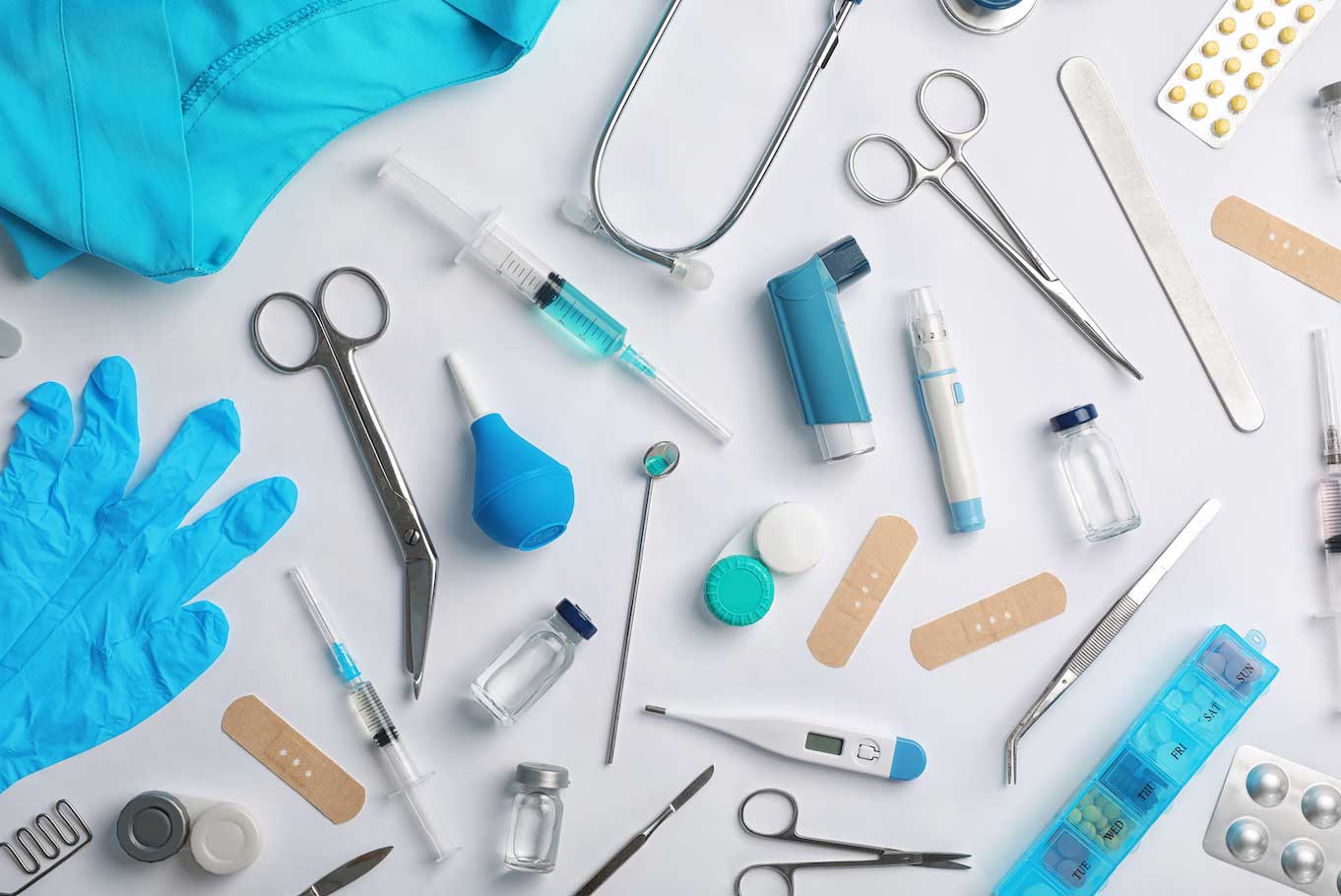
Injection Molding Medical Devices: Precision Plastic Solutions for Healthcare
Injection Molding Medical Devices in the US | What It Is and Why It Matters
Injection molding medical devices refers to a manufacturing process that produces high-precision plastic components by injecting molten medical-grade material into a controlled mold cavity.
The process delivers tight tolerances, consistent dimensions, and repeatable quality at scale.
Healthcare manufacturers rely on it because medical devices demand accuracy, cleanliness, and predictable performance. Injection molding supports everything from early prototyping to full production. Engineers design molds that shape parts under high pressure, then cooling cycles lock in dimensional stability. Production teams repeat the cycle thousands or millions of times without drift in quality.
Manufacturers commonly use this process for syringes, diagnostic housings, surgical instrument components, connectors, fluid management parts, and disposable medical supplies. Each part leaves the mold ready for assembly, testing, or sterilization.
JDI Plastics is a dedicated injection molding company based in Illinois. We welcome medical device manufacturers to explore our capabilities here – contact us today!
Essential Benefits and Industry Standards for Injection Molding Medical Devices
Manufacturing medical devices with injection molding delivers economical precision and repeatability that machining or manual assembly cannot match at scale. Molded parts maintain consistent wall thickness, geometry, and surface finish across long production runs.
That consistency supports reliable device performance in clinical settings.
High-volume production lowers per-unit cost once tooling is complete. Manufacturers scale output without redesigning processes, which supports demand spikes and long product lifecycles. Tight process control also reduces scrap rates and material waste.
Medical injection molding operates under strict regulatory frameworks. Manufacturers align processes with ISO 13485 quality systems, FDA requirements, and GMP standards.
Documentation tracks materials, tooling, inspections, and production history. Cleanroom environments protect sensitive components from contamination, while validation protocols confirm process stability before full production begins.
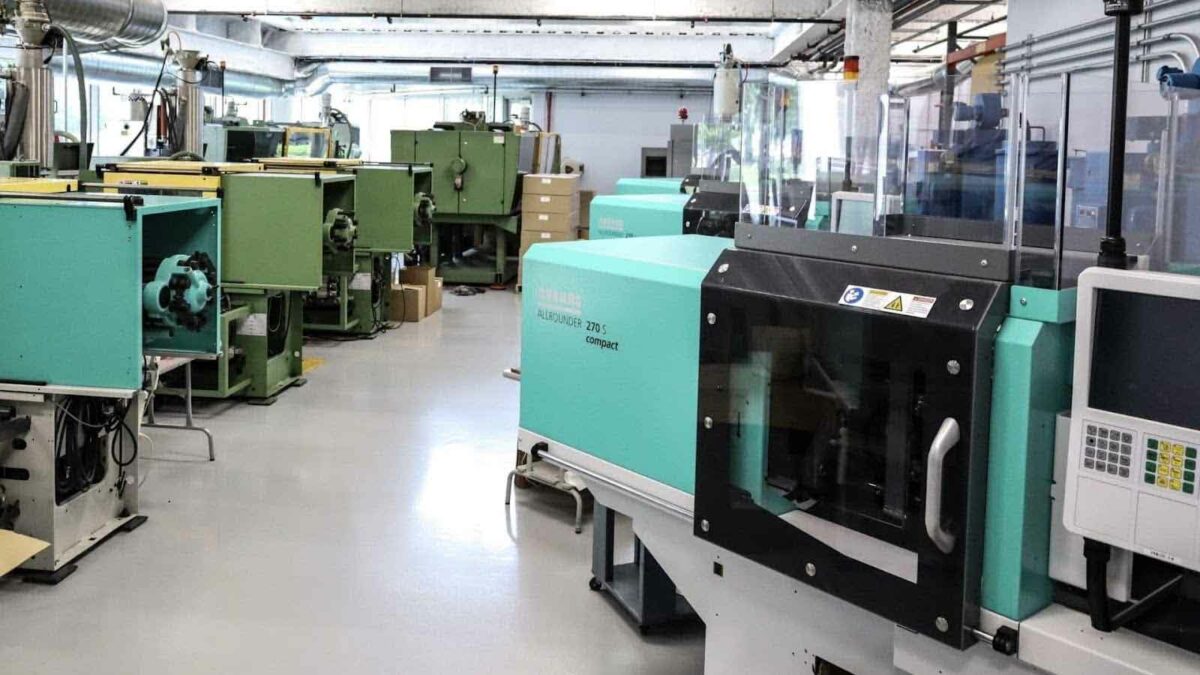
Materials Used in Medical Injection Molding and Their Impact
Material selection shapes how a medical device performs in real-world use. Engineers choose resins based on strength, chemical resistance, sterilization method, and patient contact requirements.
- Medical-grade thermoplastics such as PEEK, polycarbonate, polypropylene, and HDPE offer durability and dimensional stability. Many support repeated sterilization cycles without degrading.
- Biocompatibility plays a central role for components that contact skin, fluids, or tissue. Material certifications and testing confirm compatibility with medical use and sterilization methods like gamma, ETO, or autoclave.
- Specialty materials like liquid silicone rubber and thermoplastic elastomers support flexible seals, grips, and soft-touch components. Those materials perform well in applications that require elasticity or repeated motion.
Critical Medical Injection Molding Techniques
Medical injection molding uses specialized techniques to meet complex design and performance requirements.
- Thin-wall molding produces lightweight components with precise wall control, which supports compact device designs and material efficiency.
- Overmolding bonds multiple materials into a single part, such as rigid housings with soft grips or seals.
- Insert molding encapsulates metal or electronic components inside plastic, which reduces assembly steps and strengthens part integrity.
- Liquid silicone molding creates flexible components with high purity and thermal stability, often used for seals, valves, and wearable medical parts.
Design and Engineering Considerations for Medical Components
Medical component design directly affects manufacturability, performance, and production stability. Engineers apply best practices early to avoid tooling revisions and production delays.
Draft angles allow parts to release cleanly from molds without surface damage. Uniform wall thickness reduces sink marks, warping, and internal stress. Mold flow analysis predicts how material fills the cavity, which helps teams adjust gate placement and cooling paths before cutting steel.
Design for Manufacturability principles guide part geometry, material choice, and tolerance decisions from the start. Early collaboration between design and production teams shortens timelines and improves part reliability across the full product lifecycle.
Common Medical Devices Produced with Injection Molding
Injection molding supports a wide range of medical devices that require consistency, clean production, and tight dimensional control. Manufacturers rely on the process because it produces repeatable components at scale while supporting complex geometries.
Common medical devices produced with injection molding include:
- Syringes, test tubes, and specimen containers used in labs and clinical settings. Those parts demand uniform wall thickness and smooth internal surfaces to support accurate measurement and safe handling.
- Catheters, connectors, and surgical instrument housings that require durability and precise fit. Injection molding supports thin profiles while maintaining strength.
- Diagnostic tool components, implantable device housings, and drug delivery system parts where dimensional accuracy directly affects performance.
Production teams value injection molding because molded parts move quickly into assembly and sterilization workflows without added finishing steps.
Why Partner with JDI Plastics for Injection Molding Medical Devices
JDI Plastics supports medical manufacturers that need reliable injection molding partners with strong process control and clear communication. Our team focuses on precision, repeatability, and practical problem solving across every stage of production.
We specialize in high-precision injection molding for medical applications, supported by value-added secondary operations that streamline supply chains. Production planning, quality checks, and delivery schedules stay aligned with customer requirements from start to finish.Medical manufacturers partner with us because we treat quality as a daily practice, not a marketing line. Learn more about our approach and capabilities at JDI Plastics.

FAQs About Injection Molding Medical Devices
What does injection molding medical devices involve?
Injection molding medical devices involves melting medical-grade plastic and injecting it into a precision mold to form consistent components used in healthcare equipment. The process supports high-volume production while maintaining tight tolerances and repeatable quality.
Are medical injection molding materials FDA compliant?
Medical injection molding materials meet FDA compliance requirements when manufacturers select certified medical-grade resins and document material traceability. Compliance depends on material choice, testing, and process documentation tied to the device application.
How does medical injection molding differ from standard molding?
Medical injection molding differs from standard molding through tighter tolerances, regulated materials, clean production environments, and detailed quality documentation. Medical applications also require validation and traceability throughout production.
What industries use medical injection molding?
Medical injection molding supports healthcare, diagnostics, pharmaceuticals, biotechnology, and medical device manufacturing. Industries rely on the process for disposable components, reusable devices, and specialized equipment parts.