
Custom Injection Molding: How to Choose the Right Partner for Your Precision Parts
Custom Injection Molding – The Answer to Your Manufacturing Needs
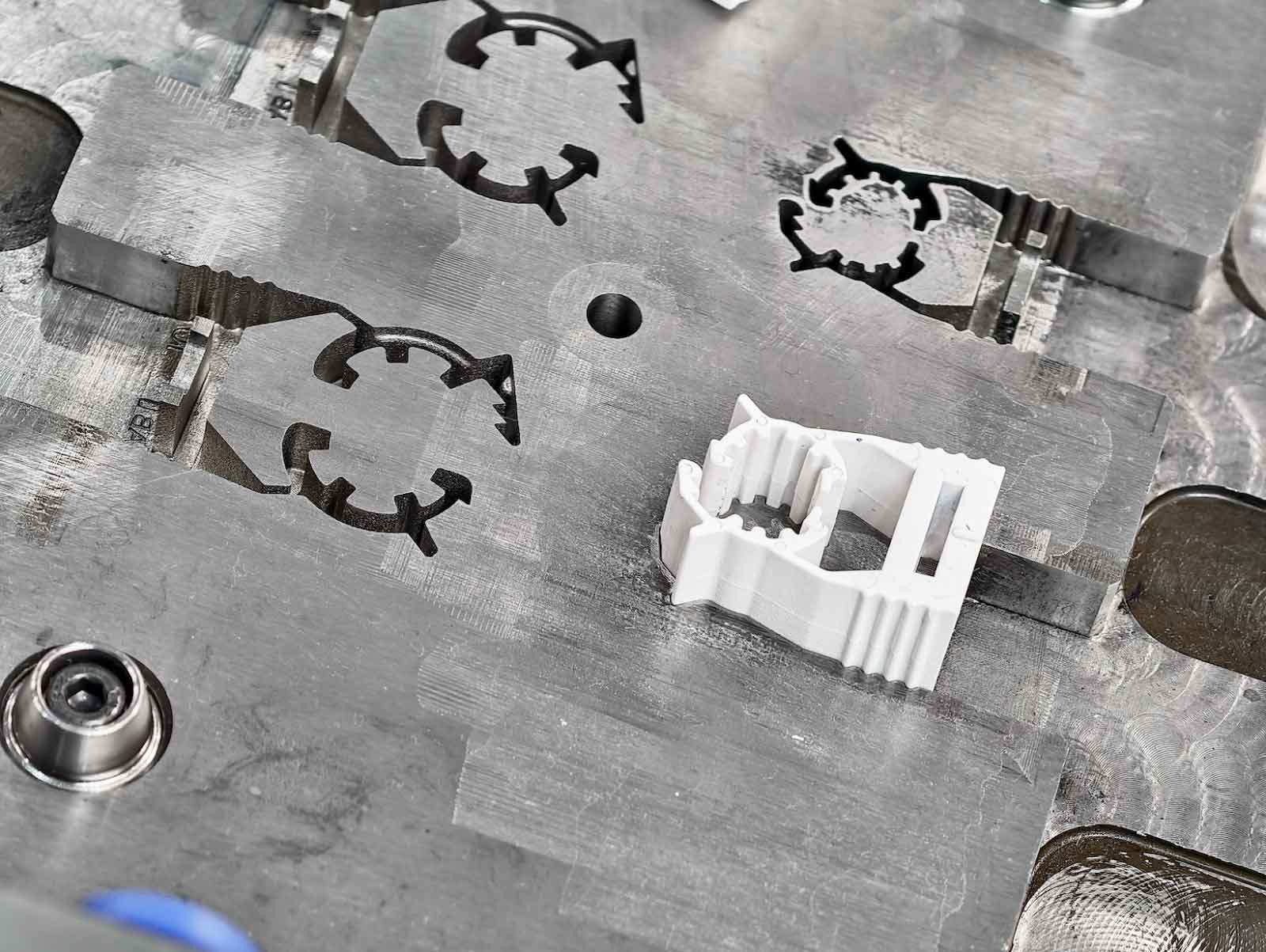
Custom injection molding is a manufacturing process that creates plastic parts designed specifically for a unique product, using tooling built around the exact geometry, material, and performance requirements of that part.
The process heats resin, injects it into a precision-machined mold, cools the material, and releases a finished component that matches your design down to fine details. Custom injection molding supports tight tolerances, complex shapes, specialty materials, and repeatable production for industries that need accuracy and consistent quality.
Custom injection molding works best when your product needs a tailored solution rather than a generic one.
JDI Plastics supports custom injection molding with a hands-on, engineering-focused approach. Our team reviews designs, recommends materials, and builds tooling that matches the customer’s performance targets.
You get repeatable parts produced with accuracy from the first shot forward.
How does custom injection molding differ from standard molding?
Custom injection molding creates plastic parts by injecting molten resin into a mold designed specifically for your product. The tooling matches the exact geometry, features, and tolerances required. That means every detail in the mold reflects the final part’s shape and performance needs.
Standard molding uses generic tools and broader tolerances.
It works for basic parts that do not require precision or specialty materials. Custom injection molding moves far beyond that. You gain the ability to match unique geometry, choose from a wide range of materials, and hit tight tolerances that support demanding applications. Cosmetic details also get far more attention, from surface finish to color matching.
Custom injection molding matters when design accuracy and reliability carry real weight. You get a part shaped for your product instead of forcing your product to adapt to a generic option.
Why companies pick custom injection molding over alternative methods
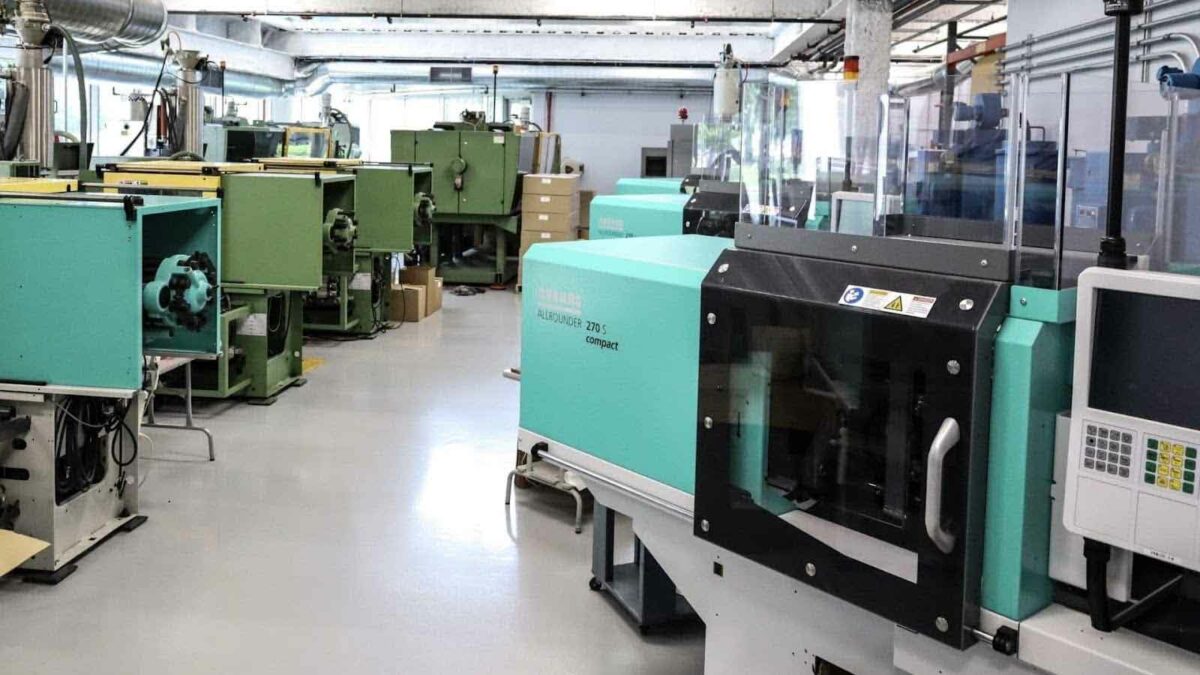
Companies choose custom injection molding because it allows tight control over part quality, design freedom, and long-term production efficiency. Many competing methods struggle to match the consistency, speed, and material performance that injection molding provides once the tool is built.
Clear advantages make the choice easy:
• Ability to create complex geometry and detailed features
• Large selection of materials and colors
• High repeatability across every production run
JDI Plastics supports these advantages with material guidance, design review, and tooling support tailored to each project. You gain a dependable process that matches both your technical and production goals.
Custom injection molding rewards teams that want accuracy without giving up efficiency.

What should you look for in a custom injection molding partner?
Selecting the right partner for custom injection molding shapes the cost, speed, and success of your program. You want a team with proven experience in custom tooling and part development.
Engineering support helps you refine designs before the mold gets built. Strong tooling capabilities—such as single-cavity, multi-cavity, or insert molding—give you flexibility for production planning. Material expertise and finishing options matter as well, especially when your part requires specific performance traits.
A simple scorecard helps compare vendors:
• Experience with custom runs and complex geometry
• Engineering support for design for manufacturability
• Tooling options that match your production targets
• Wide material knowledge and finishing capabilities
• Clear communication about lead times and revisions
JDI Plastics brings these qualities together in a clean, predictable workflow. You get a team focused on collaboration, accuracy, and repeatability from design through production.
When you evaluate partners with clear criteria, you find the right fit faster and avoid expensive surprises later in the process.
How the tooling and production process works for custom injection molding
Custom injection molding follows a clear, structured workflow that moves a part from concept to production with accuracy.
The process begins with part design and CAD review. Your engineering team and the molding partner review geometry, wall thickness, draft angles, and functional features. Early feedback helps avoid tooling revisions later.
The next step is tool design and mold construction. The toolmaker designs the mold around your part’s geometry, deciding on gating, cooling, and cavity layout. Mold build time depends on cavity count, part complexity, and steel or aluminum selection. Simple tools move faster. Complex tools take longer because each feature must match the part’s performance expectations.
Material selection and process setup follow. You choose a resin that fits the required strength, flexibility, thermal stability, or chemical resistance. Color, additives, and finishing expectations also play a role. Process engineers then set temperatures, pressures, and cycle speeds to prepare the tool for first shots.
First article inspection comes next. The team runs initial parts, measures key dimensions, and checks cosmetic targets. Any adjustments get made before the pilot run. Pilot production confirms consistent performance before launching full output.
Full production begins once the part passes inspection and meets all design targets. Lead time varies based on tool complexity, material availability, and production volume. Larger molds with complex geometry typically take longer. Simple parts with straightforward geometry move quickly.
A transparent workflow helps you plan accurately and avoid downtime once production begins.
Which industries benefit most from custom injection molding?
Custom injection molding supports industries that rely on precision, strength, and repeatability.
Automotive companies use custom molding for clips, housings, interior components, and functional parts that must hold exact tolerances. Material options matter here because parts often face heat, vibration, or mechanical load.
Medical manufacturers rely on custom molding for enclosures, instrument components, and consumables that must meet strict performance expectations. Cleanability, biocompatibility, and consistent dimensions drive the need for a tailored process.
Electronics companies use custom injection molding for housings, connectors, and protective components. These parts need accurate geometry, reliable material flow, and surface finishes that match user-facing products.
Industrial equipment manufacturers benefit from custom molding for rugged parts that operate under load, pressure, or abrasion. Material strength and durability often take priority in this sector.
JDI Plastics: Your Custom Injection Molding Partner
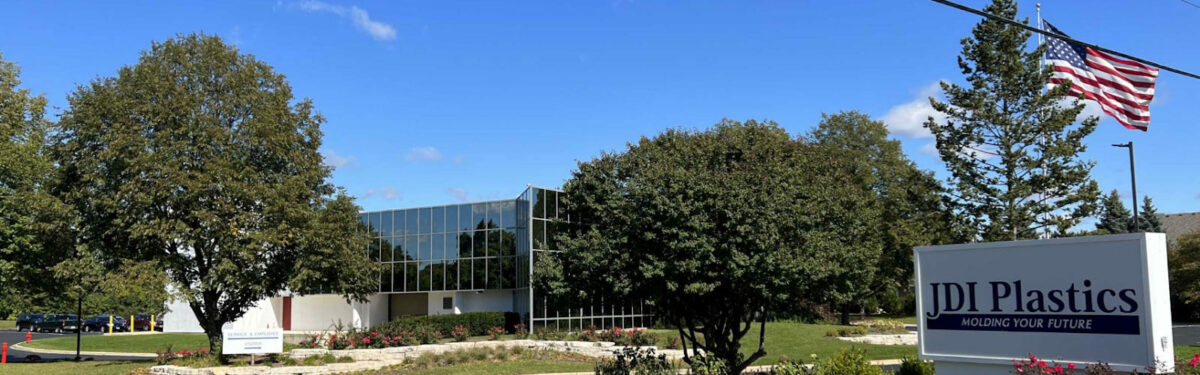
Custom injection molding works best when your partner understands your design goals and treats the project like a collaboration. You get a process shaped around your geometry, your materials, and your performance needs. The right partner brings together engineering guidance, tooling strength, and consistent production.
JDI Plastics supports every stage of the process. We review CAD files, recommend materials, and build tooling that matches your part requirements. Our team communicates clearly about timing, revisions, and production goals so you stay confident from kick-off through final delivery.
A strong partnership helps teams reduce risk, streamline development, and build parts that function the way they were designed. Reach out when you want custom injection molding backed by real engineering support and predictable production.
FAQs about custom injection molding
What is custom injection molding in simple terms?
Custom injection molding creates plastic parts designed specifically for your product. The mold, material, and finishing match your performance and cosmetic requirements, giving you consistent parts shaped around your design.
When should I choose custom injection molding instead of standard molding or 3D printing?
Choose custom injection molding when your part requires unique geometry, specialty materials, cosmetic details, or consistent production at scale. Standard molding and 3D printing cannot match this level of precision once quantities grow.
How long does it take to start a custom injection molding project?
Lead time varies with tooling complexity, part design, resin choice, and production volume. Design review and tooling often take several weeks, followed by first articles and pilot runs before full production begins.
What drives cost in custom injection molding?
Cost depends on mold complexity, cavity count, part size, material choice, finishing steps, and required post-processing. Complex geometry and specialty materials often increase tooling and cycle time.
How do I get started with JDI Plastics for custom injection molding?
Share your CAD files, target quantities, and performance needs. Our team reviews the design, recommends tooling and material options, and builds a plan aligned to your budget and timeline.