
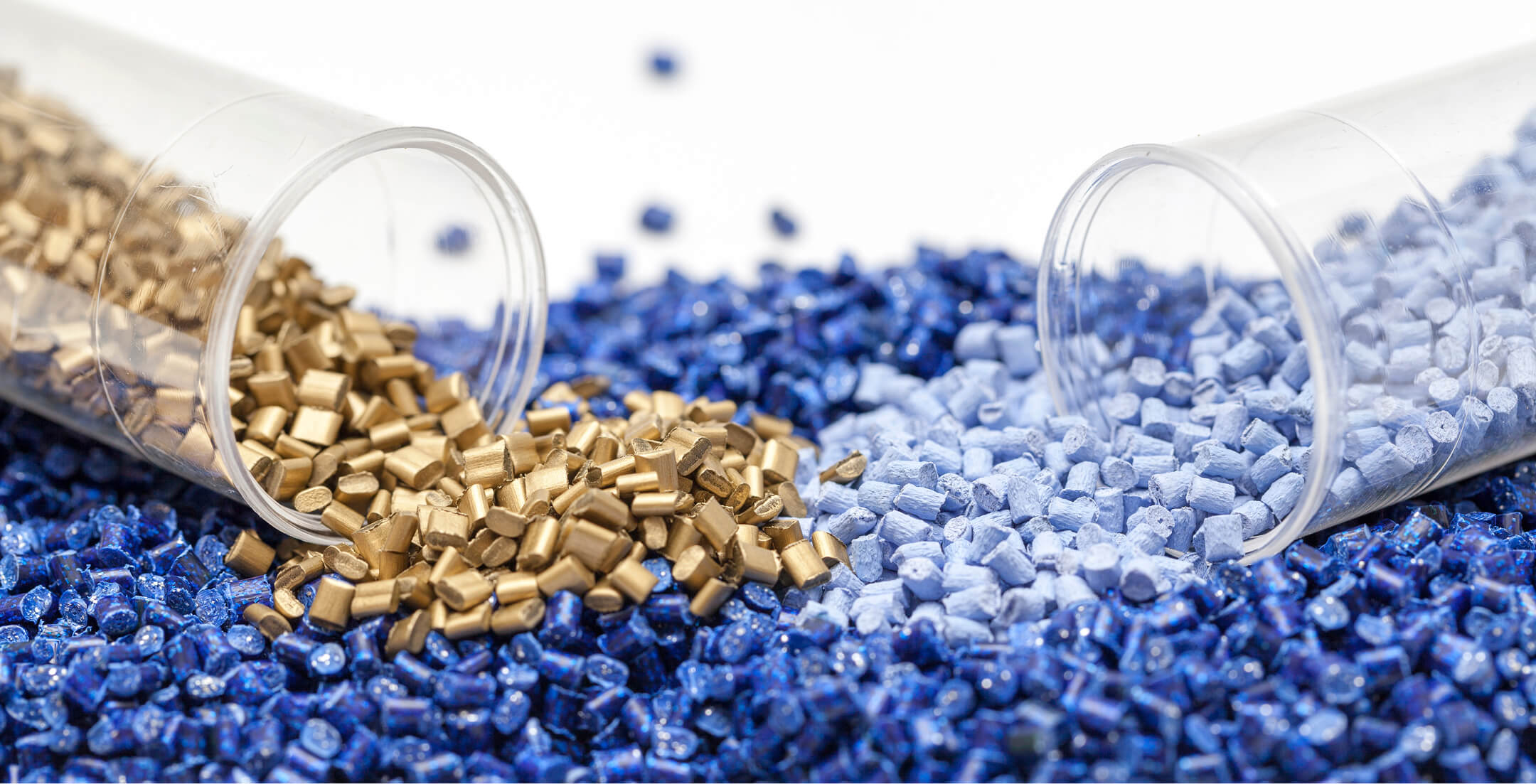
Plastic Injection Molding Materials
The plastic injection molding industry serves as a critical manufacturing backbone across medical devices, electronics, automotive, and industrial sectors. Material selection drives product performance, regulatory compliance, and long-term cost efficiency across every stage of the product lifecycle.
At JDI Plastics, we’ve specialized in difficult-to-mold components since 1995, working with a comprehensive range of injection moldable material options – from commodity thermoplastics to advanced engineering resins. We provide hands-on material consulting and early supplier involvement to help engineers and purchasing managers navigate complex material decisions with confidence.
Learn more about common thermoplastics, high-performance engineered resins, and key factors for choosing the right injection molding material.
Common Types of Thermoplastics in Injection Molding
Thermoplastics form the foundation of most industrial projects. These materials can be melted and remelted without significant degradation. This characteristic makes them both versatile and cost-effective for high-volume production. Selecting the appropriate injection molding material requires a deep understanding of how these resins behave under heat and pressure.
Characteristics of Core Thermoplastic Elastomers
Selecting the right raw injection mold material requires understanding how distinct resin families behave under high mechanical and thermal stress. Below are the primary commodity and engineering thermoplastics utilized across industrial and healthcare applications.
- ABS (Acrylonitrile Butadiene Styrene). This resin offers excellent impact resistance and surface finish quality. It machines well and accepts secondary treatments like paint or plating. We frequently use ABS for automotive interiors and electronics housings where structural rigidity and aesthetics must coexist.
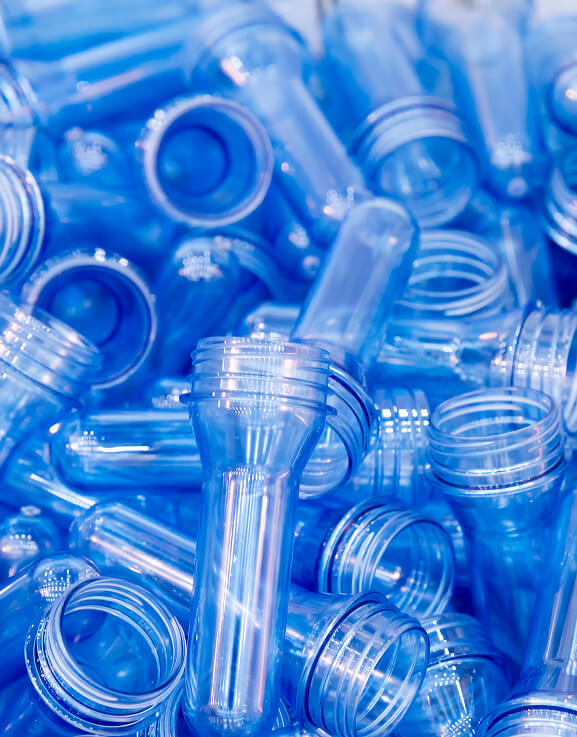
- Polycarbonate. Known for clarity and impact strength, polycarbonate withstands high temperatures. It also resists yellowing under UV exposure. These properties are ideal for medical device housings, safety goggles, and optical components that require glass-like transparency with plastic durability.
- Polyethylene (HDPE/LDPE). HDPE provides high rigidity and chemical resistance, making it suitable for heavy-duty industrial containers. LDPE offers superior flexibility and moisture resistance. Both materials are staples in the packaging industry and outdoor utility products.
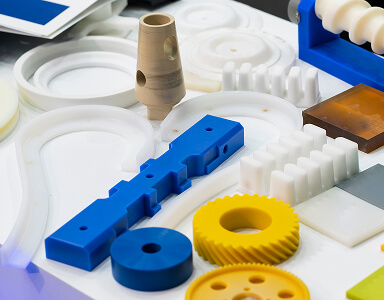
- Polyamide (Nylon). Nylon brings superior tensile strength and thermal stability. It performs well under continuous friction in gears, bearings, and bushings. Many automotive manufacturers specify glass-filled nylon for under-the-hood components that endure constant heat.
- Polypropylene. This is a widely used option globally due to its fatigue resistance and low moisture absorption. It is an ideal injection molding material for living hinges, chemical tanks, and medical packaging that must withstand repeated opening and closing without failing.
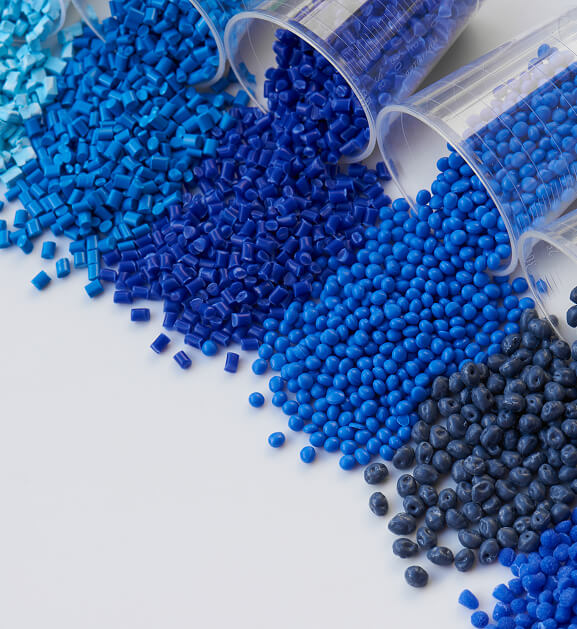
Key Benefits of Thermoplastic Injection Molding Materials
Thermoplastics allow for repeatable processing with minimal waste. Manufacturers can often regrind and reuse scrap generated during production, which reduces the total cost of ownership for long-term projects. However, medical industry applications require parts made entirely with virgin resin to maintain strict compliance with health standards. We work with certified suppliers to verify material traceability for every project.
These materials also provide immense design flexibility. Engineers can achieve complex geometries and thin-wall sections that other manufacturing methods cannot produce. Because thermoplastics accept ultrasonic welding, heat staking, and pad printing, we can deliver fully finished assemblies ready for final shipping.
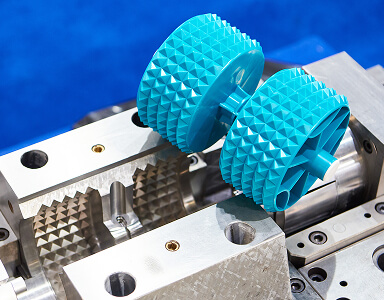
Engineered Plastics &
Specialty Resins
When standard materials fail to meet performance requirements,
engineered plastics fill the gap. These resins handle extreme
environments where failure is not an option.
High-Performance Polymers
When extreme operating environments exceed the capabilities of standard industrial resins, advanced polymers deliver critical survival metrics. These specialized materials maintain structural integrity under severe chemical and thermal exposures.
- PEEK (Polyetheretherketone). PEEK handles extreme temperatures better than most other resins. This allows it to be sterilization-friendly and also provides the opportunity to use it as a lightweight alternative to some metal components.
- Ultem (Polyetherimide). This resin offers excellent dimensional stability and flame resistance. We mold Ultem components for surgical instruments and aircraft interiors that must satisfy rigorous heat and smoke safety standards. Its ability to maintain stiffness at high temperatures makes it a favorite for electrical connectors.
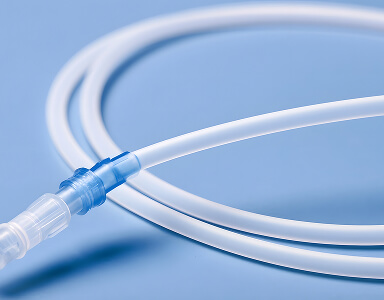
- Thermoplastic Elastomer (TPE). A medical-grade thermoplastic elastomer combines the flexibility of rubber with the processing ease of plastic. These materials are biocompatible and available in various hardness levels (Shore A to Shore D). Common uses for thermoplastic elastomer include seals, tubing, and soft-touch grips for surgical tools. The adaptability of a thermoplastic elastomer also allows for superior ergonomic designs in consumer products.
- Nylon
- Acetal
- Polycarbonate
- LCP
- ABS
- Polysulfone
- PBT
- PET
- PPO
- Acrylic
- PVDF
- Many more
- PPS
Custom Additives & Fillers
We enhance material performance through functional fillers:

Glass Fibers
Adding glass beads or fibers increases tensile strength and reduces thermal expansion. This is critical for structural parts like automotive brackets or industrial pump housings.
UV Stabilizers
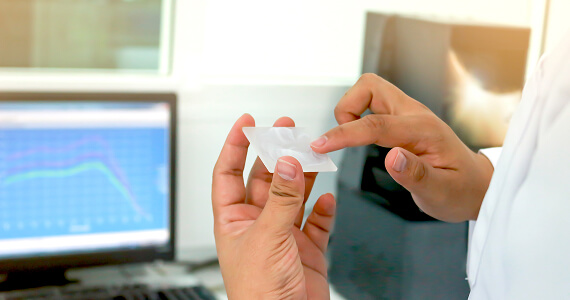
These chemical additives protect polymers from photodegradation. Without stabilizers, parts exposed to sunlight in construction or sporting goods would become brittle and lose color over time.
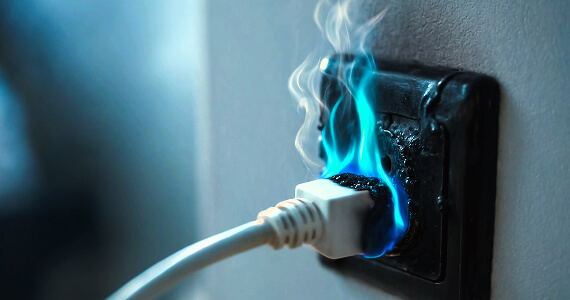
Flame Retardants
These chemical additives protect polymers from photodegradation. Without stabilizers, parts exposed to sunlight in construction or sporting goods would become brittle and lose color over time.
Wide-Ranging Applications of Thermoplastic Elastomers

Medical & Healthcare
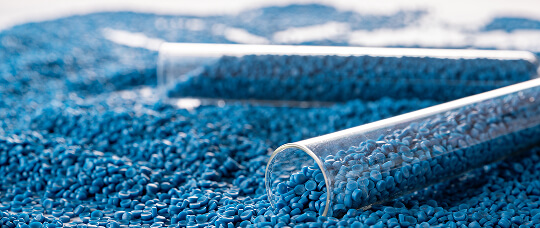
Medical parts require FDA-approved materials that endure sterilization via autoclaving, gamma radiation, or ethylene oxide (EtO). We maintain ISO-compliant processes to support material traceability from certification of the resin pellets to the finished device. Specialized polymers ensure that diagnostic equipment housings and surgical tools do not degrade when exposed to harsh disinfectants.

Electronics
The electronics sector often requires ESD-safe resins to prevent static discharge that could damage sensitive microchips. These compounds also provide EMI/RFI shielding to block electromagnetic interference in communication devices. Our thin-wall molding capabilities enable the production of lightweight, compact enclosures for industrial controls and hand-held telecommunications equipment.

Industrial, Construction, Mining, Agricultural
Harsh environments demand materials that resist heavy impact, chemical attack, and extreme temperatures. We mold high-durability components for mining equipment and heavy machinery using engineering-grade resins. These materials must maintain structural integrity under harsh conditions, such as exposure to corrosive lubricants or abrasive dust in a mine or construction site.

Sporting Goods & Consumer Products
Consumer applications prioritize aesthetics, ergonomics, and tactile feel. Overmolding processes combine rigid structural elements with soft-touch surfaces to create comfortable handles and grips. This improves the user experience for tools and recreational gear. Custom color matching also ensures brand consistency across your entire product line, regardless of the polymer used.
How to Choose the Right Material for Your Molding Project
Material selection is not a one-size-fits-all process. It requires a systematic evaluation of your application’s functional demands.
Evaluating Application Requirements
Start by defining the mechanical loads. Tensile and flexural stress determine the minimum strength your part needs. Environmental factors, such as UV radiation or chemical contact, will further narrow your choices. Regulatory compliance is also mandatory for medical and food-contact applications.
Material Consulting
We provide early supplier involvement to optimize your material choice. Our team reviews part designs to identify potential molding challenges such as wall thickness non-uniformity. This DFM (Design for Manufacturability) analysis prevents costly redesigns. At JDI Plastics, you have direct access to our leadership to discuss technical hurdles and the benefits of a specific thermoplastic elastomer, engineered resin or whichever material your project requires.
Optimize Product Lifecycle Performance with JDI Plastic’s Custom Injection Molding Solutions
The right material makes the difference between a part that barely passes and one that exceeds expectations. From common ABS to high-performance PEEK, your choice must align with mechanical, thermal, and regulatory needs.
We combine deep material expertise with hands-on manufacturing experience. Whether you need complex medical components or rugged industrial tools, we provide the consulting necessary to set your project up for success. Contact us or request a quote today to discuss your specific requirements.